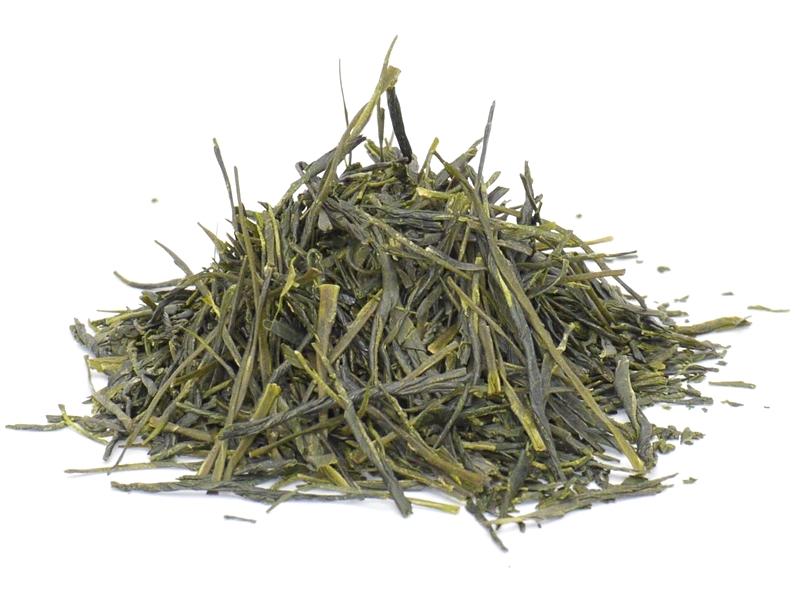
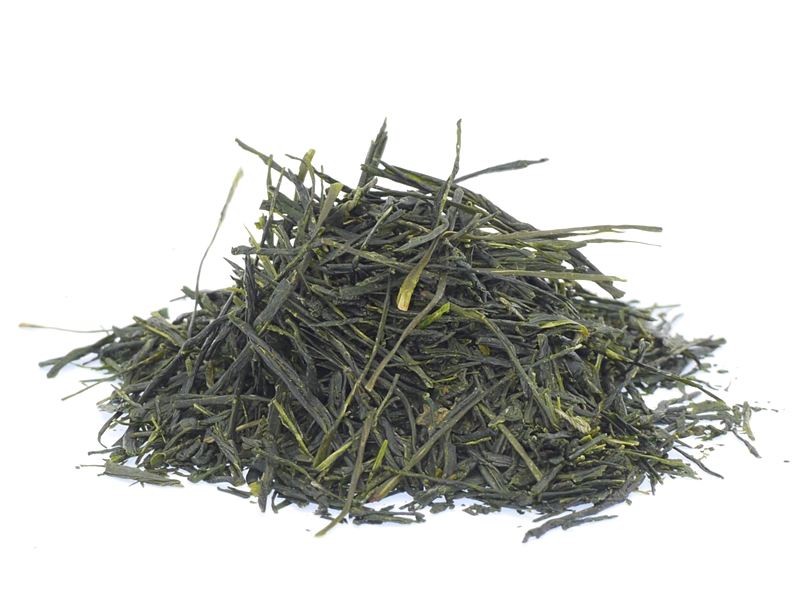
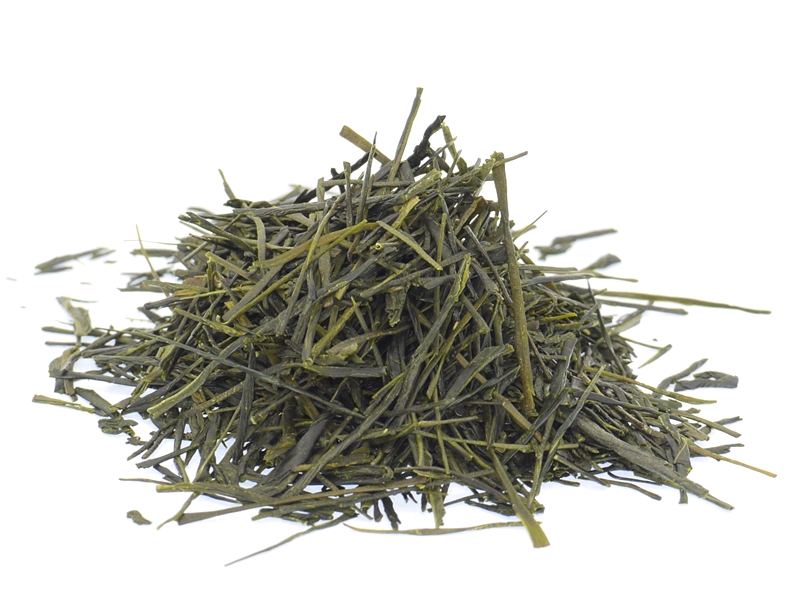
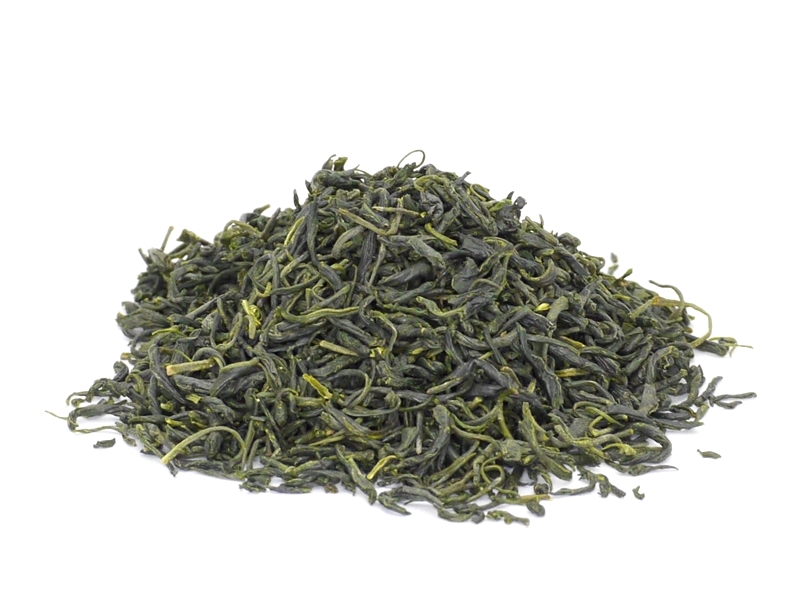
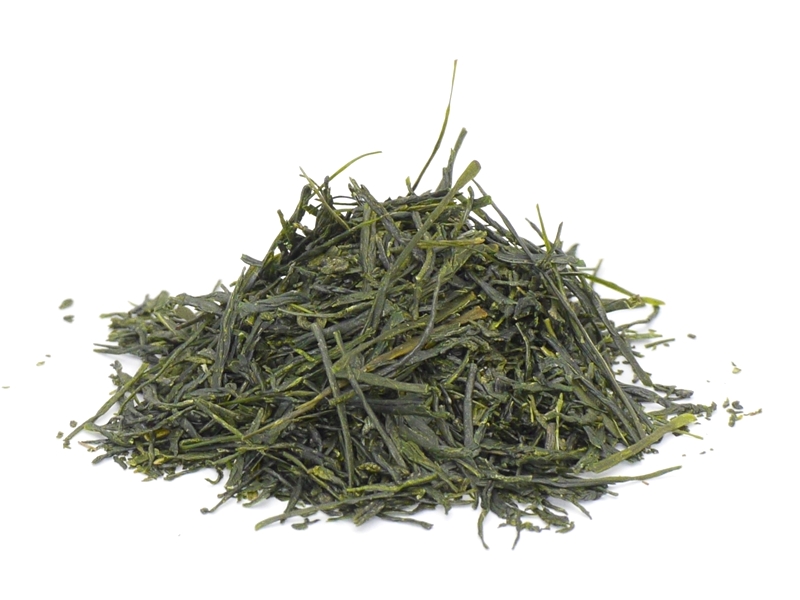
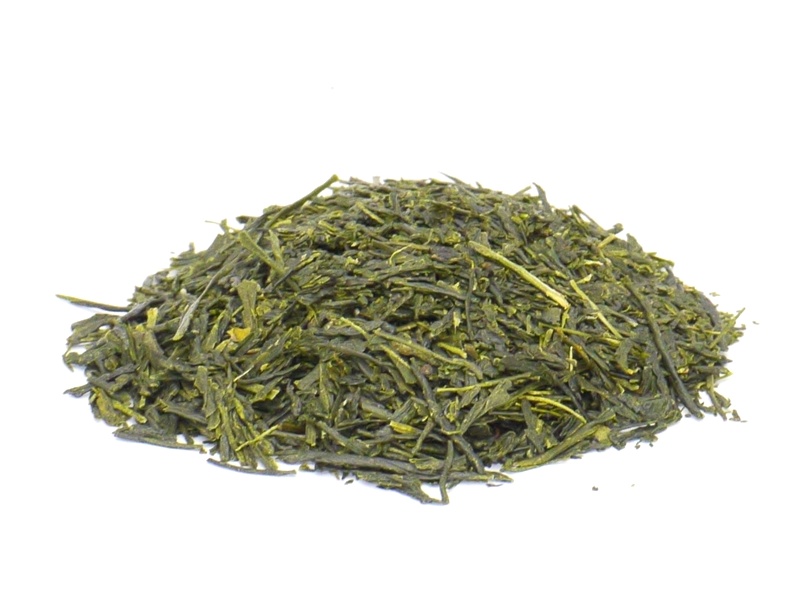
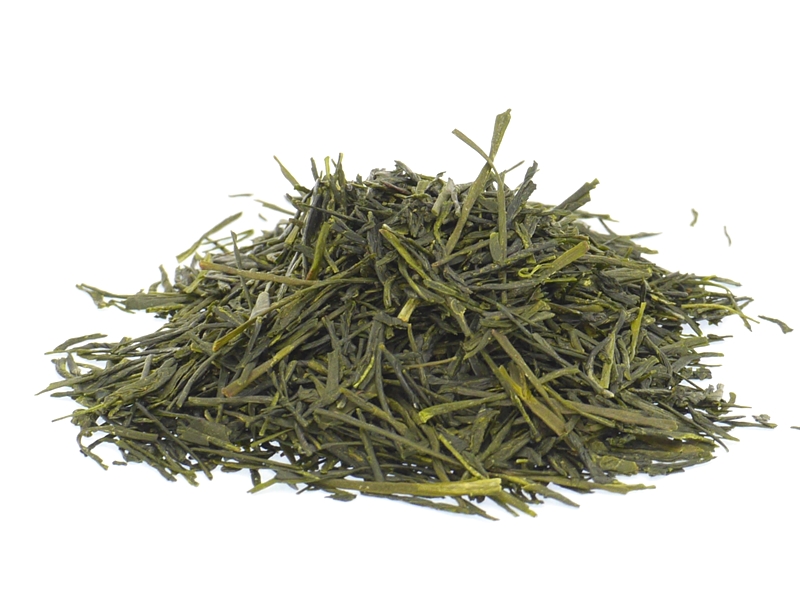
This is the Japanese tea cultivar par excellence. It is still grown on 3/4 of Japan’s tea garden surface area. It was one of the first 15 cultivars registered in 1953, and it was developed in Shizuoka, in Nihon-daira more precisely. Sugiyama Hikosaburô selected it in 1908 from local “zarai” tea trees. It was later transferred to the Shizuoka Prefecture research centre in 1927. In the 1960s, Yabukita began to spread throughout Japan, as its overall very high quality was recognized. At one point, it was grown on 90% of the surface area of Japan’s tea gardens. This cultivar has powerful aromas that are nonetheless fresh and balanced. It can be used to make any kind of green tea. Being familiar with Yabukita is an important fundamental for those interested in learning about the whole range of Japanese teas. It is also in comparison with Yabukita that cultivars are classified as early or late.