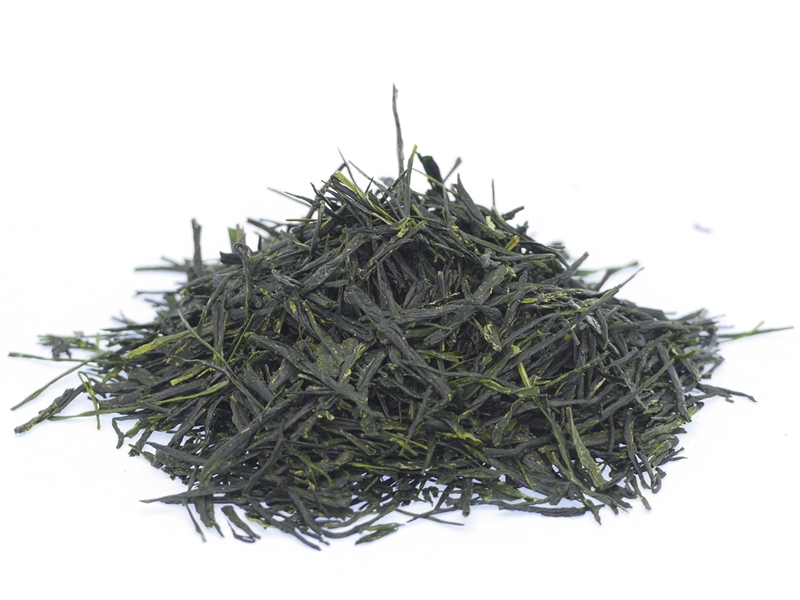
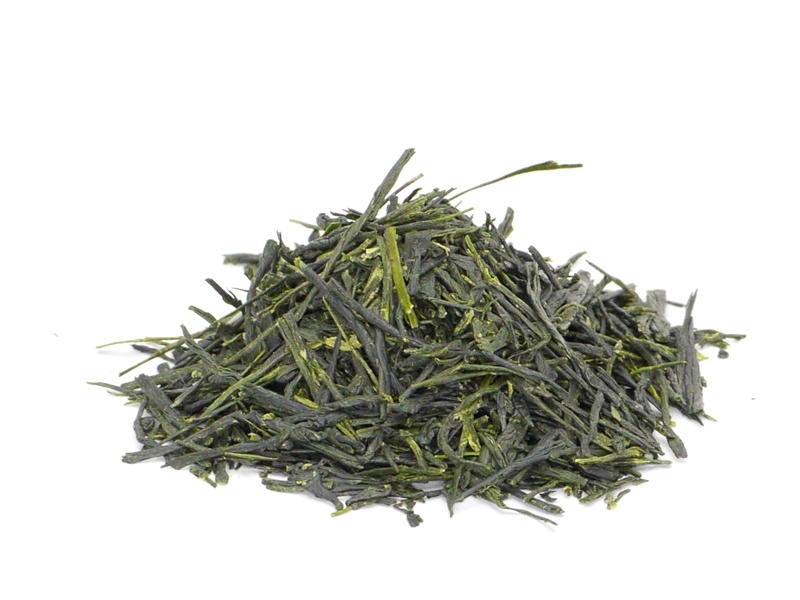
[Grown using organic methods]
beans, fresh grass
Umami
★★★☆ / Astringency
★☆☆☆
Body
★★☆☆ / Firing
★☆☆☆
Cultivar and technical information
Asatsuyu is—alongside Yabukita—among the 15 first cultivars to have ever been officially registered in 1953. It was selected from tea trees indigenous to Uji. It is an early cultivar with very fine leaves that are renowned for their beautiful colour. It is rare to find this cultivar in the east of Shizuoka, but the cultivar remains very present in Kagoshima. Asatsuyu has many fans that appreciate it for its distinct fragrance.
This sencha comes from Makizono in Kirishima, a mountainous region to the northeast of Kagoshima Prefecture. It originates from a shaded tea garden and was produced as a deep steamed fukamushi.
The nose
The distinct edamame bean fragrance of the Asatsuyu cultivar is clearly present here, in the tea's cooked sweet vegetable aromas and vanilla nuances.
The mouth
The infusion of this sencha has sufficient umami, without being excessive. There is also has a subtle astringency. The overall experience is a tea that is surprisingly well balanced despite its strong intensity. We find again sweet that sweet sensation of cooked vegetables and those bean aromas. In the end in the mouth, the tea becomes more herbaceous.
Subsequent infusions are always intense, have a bit more astringency, but are not excessive.
This Asatsuyu has a great persistence, is herbaceous, and is sweet.
Summary
While a shaded Asatsuyu fukamushi is something very classic in Kagoshima, this particular Asatsuyu stands out with its balance, its intensity, but especially its length and its body. The tea delivers three excellent infusions, which is far from being something common with this style of tea.
Technical description
Type of tea: Fukamushi sencha (deep-steamed sencha)
Origin: Makizono, Kirishima City, Kagoshima Prefecture
Cultivar: Asatsuyu
Shading: 8 days (direct covering)
Harvest: April 23th, 2026